
Most procurement mistakes in industrial brushes don’t happen at the factory. They happen before the order is placed – in the conversation that didn’t go deep enough, the specification that got assumed rather than confirmed, and the sample that never got requested.
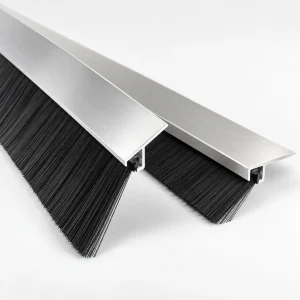
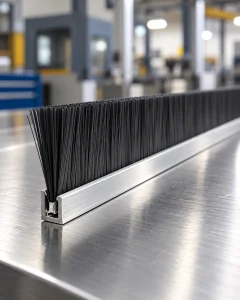
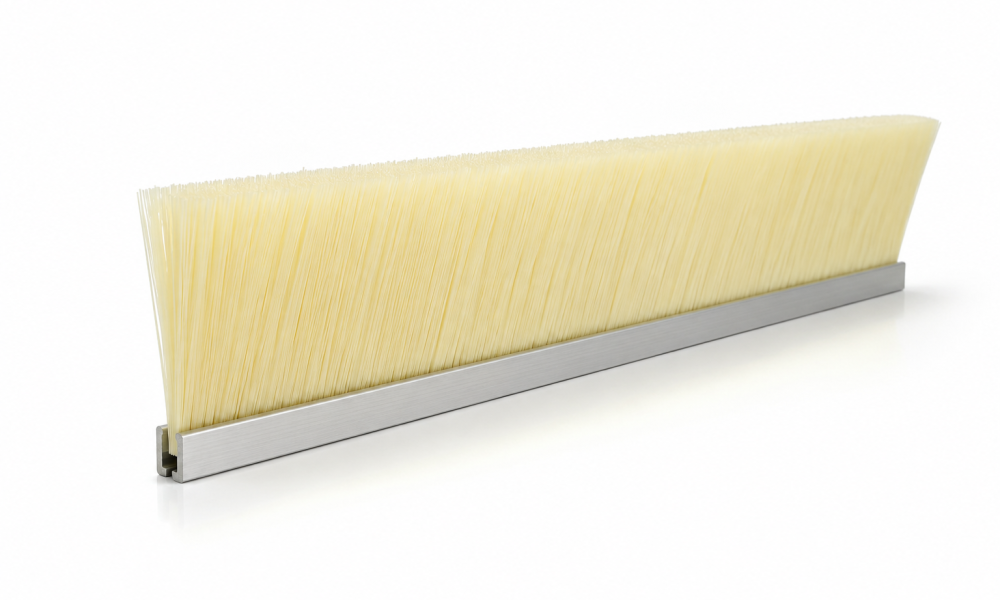
A strip brush looks simple. Channel, bristles, done. But the variables inside that simple product – filament type, diameter, fill density, channel material, bristle length, pile height – stack up quickly. Get one wrong, and the brush either fails early, doesn’t seal properly, or damages the surface it’s supposed to protect.
Before you place an order with any strip brush manufacturers, here are the questions worth asking.
“What Bristle Materials Do You Work With – And Which Do You Recommend For My Application?”
This is the first question, and the answer tells you a lot.
A manufacturer who immediately recommends one material without asking about your application is selling inventory, not solving a problem. The right answer involves a follow-up: what’s the environment, what’s the contact surface, is there moisture or chemical exposure, what’s the operating temperature?
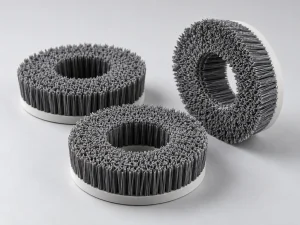
Nylon, polypropylene, horsehair, steel wire, abrasive nylon – each has a specific performance profile. A door seal in a food processing facility needs different bristles than a deburring brush on a metal finishing line. If the manufacturer can’t walk you through this, the relationship starts on a weak footing.
“Can You Manufacture A Custom Specification?”
Standard catalogue sizes cover a lot of ground. They don’t cover everything.
If your conveyor side guide runs at a non-standard width, or your CNC enclosure has an unusual gap dimension, or your door seal needs a specific pile height to compress correctly – you need a manufacturer who can work outside the catalogue.
Ask directly. Some strip brush manufacturers are purely catalogue operations with limited flexibility. Others can configure bristle length, channel dimensions, and fill density to a drawing. Know which kind you’re dealing with before you commit, especially if your application has any dimensional specificity.
“What Tolerances Do You Hold On Bristle Length And Fill Density?”
This is a technical question, and the quality of the answer is revealing.
Bristle length variation across a strip brush affects sealing consistency. Fill density variation affects stiffness and contact force. For brushes used in precision sealing, dust exclusion, or guided material handling, these tolerances matter operationally – not just on paper.
A manufacturer with a serious quality system will have a clear answer. They’ll reference inspection procedures, acceptable variance ranges, and how they handle out-of-tolerance batches. Vague answers here are a signal about how seriously tolerance is controlled on the shop floor.
“What Is Your Typical Lead Time For Standard And Custom Orders?”
Unplanned downtime doesn’t wait for a six-week lead time. If a strip brush on an escalator skirt panel or a conveyor guide fails, you need a replacement quickly – and knowing lead time in advance is part of responsible procurement planning.
Ask separately for standard and custom lead times. The gap between those two numbers tells you how much manufacturing flexibility the supplier actually has. A large gap usually means custom orders enter a long queue rather than being treated as a normal part of their operation.
“Do You Provide Samples Before Bulk Orders?”
Any serious strip brush manufacturers will offer samples. Full stop.
A sample lets you verify bristle stiffness, channel dimensions, pile height, and overall build quality before committing to a production run. It also lets you test the brush in your actual application – which is more informative than any datasheet.
If a manufacturer hesitates on samples or makes the process difficult, that’s worth noting. It usually means confidence in their own product is lower than the quotation suggests.
“What Quality Certifications Do You Hold?”
This question matters more in regulated industries – food processing, pharmaceuticals, aerospace – but it’s worth asking regardless.
ISO certification tells you the manufacturer operates within a documented quality management system. It doesn’t guarantee the product is right for your application, but it does mean their processes, materials, and inspection procedures are tracked and auditable.
Ask specifically which standard they’re certified to and whether they can provide documentation with the shipment. Verbal assurances without paperwork are worth very little when a quality audit comes around.
“What Happens If The Brush Doesn’t Perform As Expected?”
Returns, replacements, and complaint resolution. Nobody wants to talk about this upfront, but it’s the conversation that defines the actual relationship.
A manufacturer confident in their product has a clear, fair process here. Ask what the warranty covers, how long it runs, and what the process is for raising a quality issue after delivery. A straightforward answer is a good sign. Deflection or vague language is not.
The Order Is The Easy Part
Getting the specification right, asking the right questions, and choosing a manufacturer who actually engages with your application – that’s the work that determines whether the brush performs or fails six weeks in.
Ganesh Brush Manufacturers has been working with buyers across industrial, textile, glass, and metal finishing applications since 2008. Custom strip brush configurations are part of their regular work, not an exception to it. If you have a specification to discuss, they’re worth reaching out to.
Frequently Asked Questions
1. What should I look for when choosing strip brush manufacturers?
Look for manufacturers with experience in your industry, the ability to produce custom brush configurations, consistent quality control processes, reliable lead times, and technical expertise to recommend the right brush for your application rather than simply offering standard products.
2. Can strip brush manufacturers produce custom-designed brushes?
Yes. Many established strip brush manufacturers offer customised solutions, including different bristle materials, channel sizes, fill densities, and brush lengths to meet specific operational requirements. Always confirm their custom manufacturing capabilities before placing an order.
3. Why is the choice of bristle material important?
Different bristle materials are designed for different operating environments. Factors such as abrasion, moisture, chemicals, heat, and the surface being cleaned or sealed all influence which material will provide the best performance and service life.
4. Should I request a sample before placing a bulk order?
Yes. Requesting a sample allows you to evaluate the brush’s dimensions, stiffness, fit, and overall quality under real operating conditions. Testing a sample before a large purchase can help avoid costly specification errors.
5. Why do quality certifications matter when selecting strip brush manufacturers?
Quality certifications, such as ISO standards, indicate that a manufacturer follows documented quality management processes. While certifications do not guarantee product suitability, they provide greater confidence in manufacturing consistency, traceability, and quality assurance practices.