
The wrong choice here does not just slow down your cleaning operation. It damages floors, burns through equipment faster than it should, and costs you in ways that do not show up until much later. If you are running a factory, warehouse, or processing unit in India and still picking between a brush pad and a disc brush by gut feel, this article is worth your time.
They Look Similar. They Are Not.
Both mount onto floor cleaning machines. Both rotate. Both deal with dirt, grime, and surface buildup. That is roughly where the similarity ends.
A brush pad is a flat, abrasive disc, typically made of fibrous material, that works through surface contact across a wide, even area. It is designed for scrubbing, polishing, or stripping depending on the grit and material. The contact is distributed. The action is more about pressure across a surface than penetration into it.
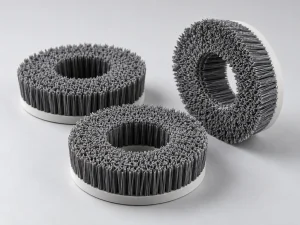
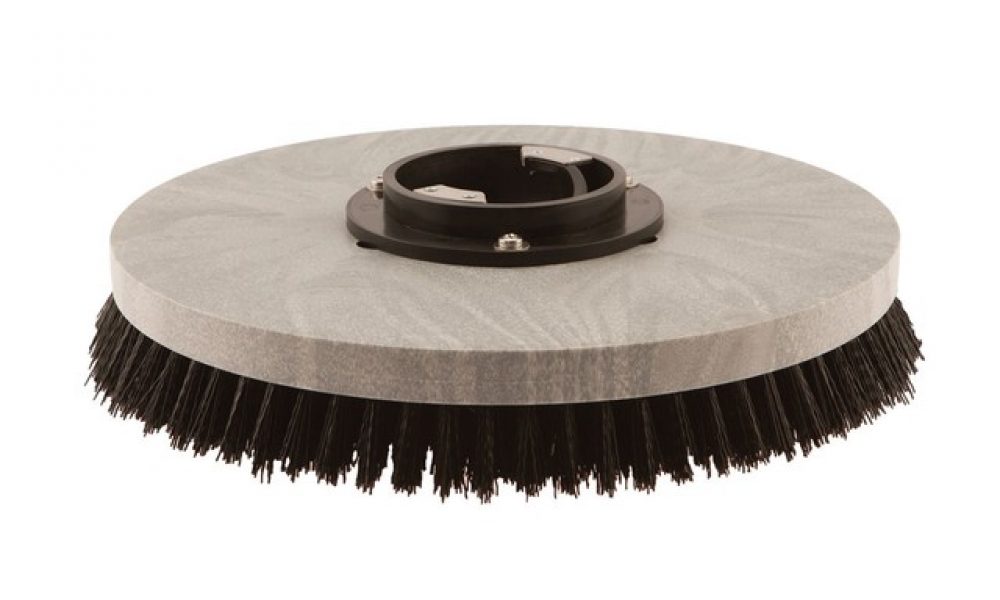
A disc brush, by contrast, has bristles. Those bristles flex, reach into grooves, textured surfaces, and uneven terrain, and dislodge contaminants that a flat pad cannot reach. The cleaning action is more concentrated, more aggressive in texture-specific applications.
Same machine. Different results. Completely different applications.
Where A Brush Pad Actually Wins
There are floor conditions where a brush pad is simply the better tool, and using a disc brush instead is doing the job the hard way.
- Smooth, sealed concrete floors in warehouses or food processing units respond well to pads. The flat contact maximises coverage and the scrubbing action is consistent across the surface.
- Polishing or buffing applications need pads. Bristles cannot deliver the surface-level finish that fibrous pad material can.
- Stripping old coatings or wax from floors is a pad job. This is aggressive, flat-surface work.
- Wet scrubbing with a cleaning solution distributes more effectively through a pad’s surface contact than through a bristle cluster.
The pad is also generally quieter in operation and creates less vibration, relevant in facilities where machine noise is a controlled variable.
Where The Disc Brush Is The Right Call?
Disc brushes from quality industrial disc brush manufacturers are built for conditions where surface-level scrubbing is not enough.
Some situations where bristles outperform pads:
- Textured or anti-slip floors, common in Indian manufacturing facilities, particularly in chemical, automotive, and food sectors. The bristles reach the recessed areas between texture ridges. A pad rides over them.
- Heavy debris removal, metal shavings, particulate, dried process residue. Bristles can agitate and displace this material. A flat pad just pushes it around.
- Floors with grouting lines or joints, disc brushes clean into the joint. Pads do not.
- Outdoor or semi-outdoor industrial areas where the floor surface is irregular and a flat pad loses consistent contact.
If your facility runs machinery that produces process waste settling into floor texture, common in textile mills, foundries, and glass plants, a disc brush is doing real work. A pad is just skating.
The Material Question Nobody Asks Early Enough
Bristle material in a disc brush changes everything. Polypropylene works for general-purpose cleaning on surfaces that cannot handle aggressive abrasion. Nylon handles wet conditions well. Abrasive-filled filaments are suited for harder surface finishing work.
Pad grit and composition matters equally. A pad too aggressive for a coated floor will strip the coating, not just clean it.
Most procurement decisions in Indian facilities get made on machine compatibility and price. The brush or pad specification gets decided last, or not at all. That sequencing is backwards. The floor surface, the contaminant type, and the cleaning outcome you need should drive the specification. Everything else follows.
A Quick Way To Think About This
Ask yourself three things before ordering:
- Is my floor smooth or textured?
- Am I scrubbing surface grime or displacing embedded debris?
- Do I need a finish (polish, strip, coat) or just a clean floor?
Smooth surface, finish outcome, surface grime, that is a brush pad situation. Textured floor, embedded debris, no finish requirement, go with a disc brush. Both conditions in different zones of the same facility? You probably need both, specified separately.
Conclusion
There is a gap in the Indian market between generic brush products and properly specified industrial ones. Facilities running the wrong specification do not always know it, they just see faster wear and inconsistent results and assume the machine needs servicing.
Working with experienced industrial disc brush manufacturers who understand floor type, machine compatibility, and material specification changes the outcome considerably.
Ganesh Brush Manufacturers has been manufacturing both disc brushes and brush pads for industrial applications since 2008. If you are unsure which specification fits your facility’s floor conditions, our team can help you work through it before you order.
FAQs
1. What is the main difference between a brush pad and a disc brush?
A brush pad uses a flat abrasive surface to clean, polish, or strip smooth floors, while a disc brush uses bristles that can reach into textured surfaces, grooves, and joints. The right choice depends on your floor type and cleaning requirements.
2. Which is better for textured industrial floors: a brush pad or a disc brush?
A disc brush is generally the better option for textured or anti-slip floors because its bristles can clean recessed areas that a flat brush pad may miss. This makes it ideal for many manufacturing and industrial environments.
3. When should I use a brush pad instead of a disc brush?
Brush pads are best suited for smooth, sealed floors and applications such as polishing, buffing, stripping coatings, and removing surface grime. They provide even contact across the floor and help achieve a consistent finish.
4. Does the material of a disc brush affect cleaning performance?
Yes. Different bristle materials are designed for different applications. Polypropylene, nylon, and abrasive-filled filaments each offer unique cleaning characteristics, making it important to match the brush material to the floor surface and contaminant type.
5. How do I choose the right industrial floor cleaning brush for my facility?
Consider the floor texture, the type of debris or contamination present, and the desired cleaning outcome. Smooth floors often benefit from brush pads, while textured floors and areas with embedded debris usually require disc brushes for effective cleaning.