
Most maintenance teams don’t replace brush rollers until something breaks. By then, the damage is already done, scratched surfaces, rejected output, unplanned downtime. The smarter move is recognising the warning signs early.
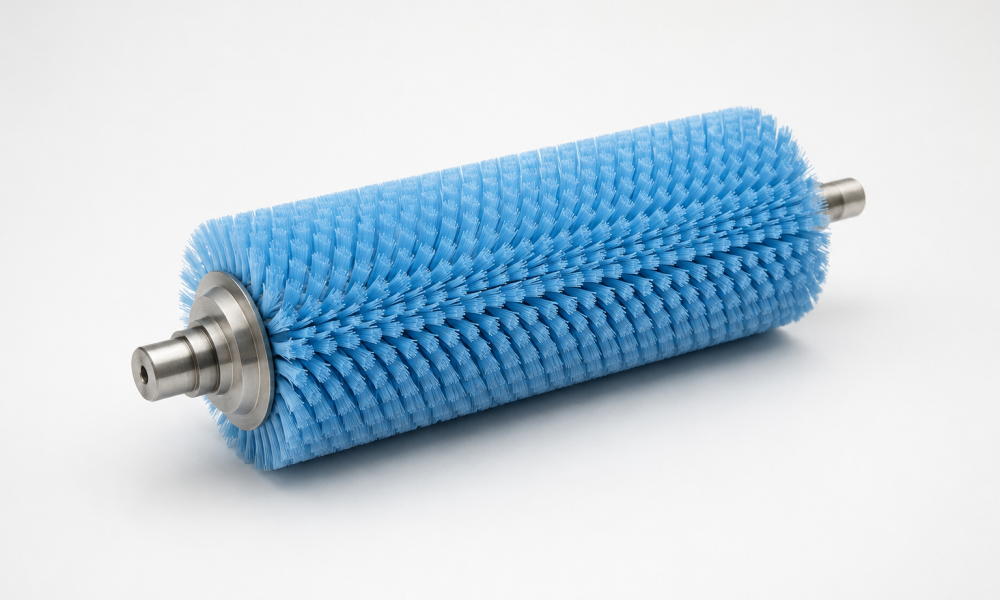
If you’re running glass processing lines, textile units, wood finishing setups, or any automated cleaning system, your industrial cylindrical brush is doing a lot of quiet, thankless work. And like any precision component, it doesn’t fail loudly. It degrades slowly, and that’s exactly what makes it dangerous to ignore.
Here are 7 signs your cylindrical roller brush has run its course.
1. Bristle Wear is Visibly Uneven
Run your hand along the brush surface. If the bristle tips aren’t sitting at a consistent height across the full width, the brush is already working unevenly.
Uneven wear causes patchy contact with the workpiece. On glass washing lines, that means streaks. On metal deburring applications, it means inconsistent edge finishing. Either way, your output quality takes a hit before you’ve even noticed the brush condition.
2. Output Quality Has Dropped But Nothing Else Changed
This is the one that gets people. Production teams often blame the material, the machine settings, or the operator, when the actual culprit is a worn brush that nobody checked.
If your surface finish quality, cleaning consistency, or edge profile has degraded without any change in process parameters, inspect the brush first.
- Increased surface scratching on glass or metal sheets
- Inconsistent brushing depth on wood panels
- Residual debris after a cleaning pass
Any one of these, appearing without explanation, points straight at the brush roller.
3. Unusual Vibration During Operation
A well-balanced industrial cylindrical brush runs smooth. Vibration, especially if it’s new, usually means the brush has lost its concentricity. This happens when bristles wear at different rates across the circumference, or when the core has physically deformed due to heat or mechanical stress.
Running a vibrating brush isn’t just a quality problem. It puts strain on your bearings, shafts, and motor mounts. The brush itself becomes a secondary source of mechanical wear.
4. Bristle Filaments Are Breaking Off
If you’re finding loose bristle filaments on the workpiece, in the machine housing, or on the output material, that’s not normal shedding. That’s failure.
Broken filaments in a glass washing machine can scratch the glass. In a food-grade conveyor brushing application, they’re a contamination risk. In metal finishing, they interfere with coating adhesion downstream.
Once filaments start breaking in volume, the structural integrity of the brush is compromised. Replacement is not optional at this stage.
5. The Brush Is Past Its Operational Hour Threshold
Most manufacturers specify a usable life range for their brush rollers based on RPM, application pressure, and material type. Not every team tracks this.
If you don’t have an hour log on your brushes, now is a good time to start one. General guidance across most industrial applications puts cylindrical roller brushes in the 800 to 2,000 operating hour range before inspection is warranted – though this varies significantly by bristle material (nylon, steel wire, abrasive nylon) and application intensity.
Brushes used for aggressive deburring wear out faster than those used for light conveyor cleaning. Knowing your use case matters.
6. The Core Or End Caps Show Physical Damage
The filaments get most of the attention, but the core is what holds everything together. Check for:
- Cracks or warping in the brush core
- Loose or damaged end caps
- Visible corrosion on the shaft bore or mounting interface
- Any wobble at the shaft connection point
A damaged core can’t hold bristle tension correctly. Even if the filaments look acceptable, a compromised core will produce uneven brush contact and shorter remaining service life. At that point, replacement is more cost-effective than continued operation.
7. Increased Motor Load Without Production Increase
Your motor draw data is one of the most underused diagnostics in brush roller maintenance. A worn industrial cylindrical brush that’s lost its shape creates more drag, not less. The motor compensates by drawing more current.
If your energy consumption on a brushing station has crept up without any change in production volume or speed, pull the brush for inspection. This pattern is common in high-RPM applications like glass washing and textile lint removal – and it almost always points to brush degradation before any visible surface symptom appears.
What To Do When You Spot These Signs
Don’t wait for full failure. The cost of a replacement brush is almost always lower than the cost of rejected output, machine repair, or unscheduled downtime.
When evaluating replacement, consider:
- Whether a standard size is available or a custom-engineered brush is needed
- The correct bristle material for your application (abrasive nylon, steel wire, soft nylon, etc.)
- The operating specifications of your machine (RPM range, shaft diameter, brush face width)
Getting this wrong on a replacement order causes the same problems the worn brush was causing. Worse, it accelerates wear on the new one.
A Note On Where To Source Your Replacement
Ganesh Brush Manufacturers, based in Pune, has been making industrial cylindrical brushes for industrial applications since 2008 – including custom-engineered roller brushes for glass, textile, wood, and metal finishing setups. If you’re running a specialised line and need a brush built to specification rather than off a catalogue, they’re worth a conversation.
Worn brushes don’t announce themselves. The signs are there – you just have to know what to look for.
Frequently Asked Questions
1. How do I know when an industrial cylindrical brush needs replacing?
Common signs include uneven bristle wear, declining cleaning or finishing performance, excessive vibration, broken filaments, visible core damage, and higher motor load during operation. Regular inspections help identify these issues before they lead to costly downtime.
2. How long does an industrial cylindrical brush typically last?
The lifespan depends on factors such as the bristle material, operating speed, application, contact pressure, and maintenance routine. Following the manufacturer’s maintenance recommendations and monitoring brush condition are the best ways to determine the right replacement interval.
3. Can a worn industrial cylindrical brush affect product quality?
Yes. A worn brush can lead to inconsistent cleaning, uneven surface finishing, scratches, residual debris, and reduced production quality. Replacing the brush at the right time helps maintain consistent manufacturing results.
4. Can industrial cylindrical brushes be customised?
Yes. Many manufacturers offer custom industrial cylindrical brushes with different core sizes, bristle materials, brush diameters, densities, and mounting options to suit specific machines and production requirements.
5. What should I consider when ordering a replacement industrial cylindrical brush?
Confirm the brush dimensions, shaft size, operating speed, bristle material, application requirements, and machine specifications. Providing accurate technical details helps ensure the replacement brush delivers reliable performance and a longer service life.