
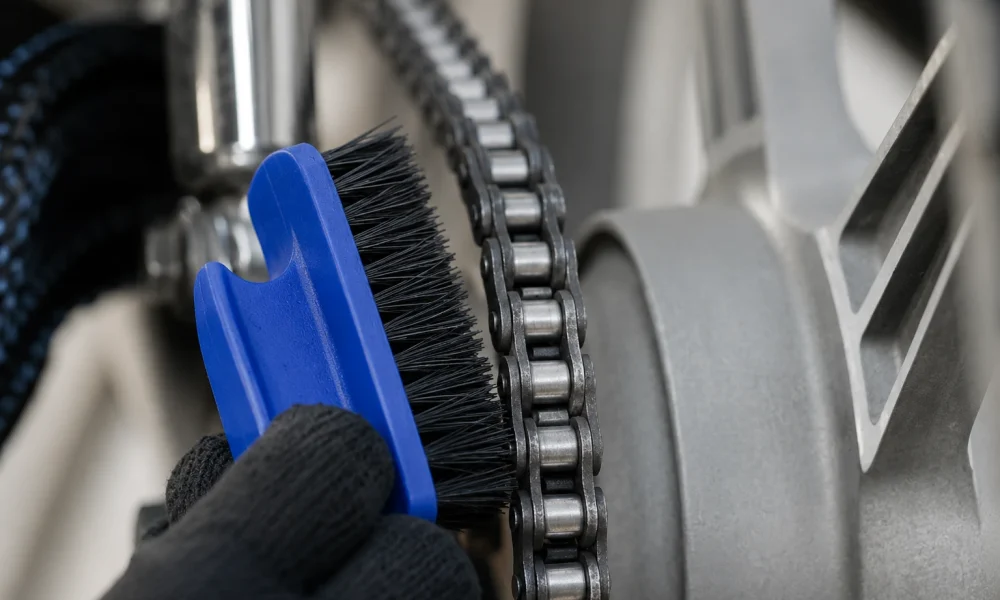
Automated production lines leave little room for inconsistent cleaning. When equipment runs continuously, even a small amount of dust, oil, residue or loose material can affect product quality and machine performance. This is where machine cleaning brushes become important. They are designed to remove unwanted material from machinery, conveyors and production surfaces without interfering with the process itself. For manufacturers using automated systems, choosing the right brush is not simply a maintenance decision. The brush needs to match the machine, surface, material being removed and operating conditions.
Why Automated Machinery Needs Controlled Cleaning
Manual cleaning gives operators some flexibility. They can change pressure, angle and technique depending on what they see.
An automated machine cannot.
Once a brush is installed into a production system, it performs the same movement repeatedly. That makes brush specification much more important. If the bristles are too hard, the brush may mark or damage the surface. If they are too soft, they may fail to remove the required material. Poor filament density can also create inconsistent contact across the working area.
For this reason, machine cleaning brushes need to be selected around the actual cleaning task rather than simply the machine dimensions.
What Makes Machine Cleaning Brush Precise?
Precision does not necessarily mean a small or highly specialised brush. It means the brush has been made to provide the right contact and cleaning action for a particular application.
Several factors affect this.
Bristle Material
Nylon, polypropylene, abrasive filaments, natural fibres and metal wires all behave differently during operation.
Nylon, for example, is widely used for cleaning, sweeping, washing and surface-related applications. Metal wire brushes are better suited to applications where a more aggressive action is required. The material needs to tolerate the operating environment as well as perform the cleaning task.
Bristle Stiffness
A stiff brush can remove stubborn deposits, but it is not automatically the better choice. On delicate surfaces, excessive stiffness can cause scratches, marks or premature wear.
The right stiffness depends on the material being cleaned, the type of contamination and the amount of pressure generated by the machine.
Brush Dimensions And Configuration
The diameter, length, core, mounting arrangement and bristle distribution all affect how a brush behaves once the machine starts running.
A cylindrical brush roller, for example, can rotate continuously against a conveyor or machine surface. Ganesh Brush Manufacturers produces cylindrical brushes for machinery cleaning applications involving particles such as chips, dirt, oil, rust and corrosion.
A brush that physically fits the machine may still be wrong for the application. Working clearance and contact pressure matter just as much.
Where Machine Cleaning Brushes Are Used
Automated cleaning requirements vary considerably between industries.
In manufacturing, brushes can remove chips, dust and production residue from machinery and components. In food processing, brush rollers are used for washing and peeling applications. Conveyor systems may require brushes to remove material before it travels further down the line.
Other applications include:
- Conveyor cleaning, where brushes remove dust, debris and product residue from moving belts.
- Machine cleaning, where brushes reach working areas that are difficult to clean manually.
- Surface cleaning, where controlled bristle contact removes contaminants without unnecessarily affecting the surface.
- Washing and peeling, particularly in food processing equipment.
- Deburring and surface treatment, where abrasive or specialised brushes provide a more aggressive brushing action.
The important point is that each application has different requirements. A brush designed for food washing should not automatically be treated as suitable for metal finishing simply because both applications involve cleaning.
What Happens When The Brush Is Not Specified Correctly?
The first sign is not always brush failure.
Sometimes the machine continues running, but the cleaning quality gradually becomes inconsistent. Residue remains on one section of a conveyor. A component comes out with debris still attached. Bristles wear faster on one side. Operators compensate by increasing cleaning frequency or replacing the brush earlier than expected.
That creates a bigger maintenance problem.
A poorly matched brush can also increase surface wear, consume more replacement brushes and create unnecessary interruptions in production. When automated equipment is involved, these small problems can accumulate quickly.
This is why brush selection should consider the full operating environment, including:
- What material needs to be removed
- Whether the process is wet or dry
- Surface sensitivity
- Machine speed
- Operating temperature
- Chemical exposure
- Required cleaning pressure
- Available mounting space
- Expected operating hours
Custom Brushes Can Make More Sense Than Standard Sizes
Standard industrial brushes work well when the machine and application fall within common specifications. But automated production equipment is often built around a particular process, which can make standard brushes difficult to use effectively.
A custom brush can be manufactured around the machine’s dimensions and working requirements. The shape, size, filament type, bristle stiffness, base material and mounting arrangement can be adjusted according to the application.
GBM specialises in both standard and customised industrial brushes for applications across metal finishing, textile, wood, glass, automotive, renewable energy and other industries. The company also manufactures special brushes for specific machinery and cleaning requirements.
This approach is particularly useful when an existing brush fits physically but does not provide the required cleaning performance.
How To Choose The Right Brush For An Automated Line
Start with the cleaning problem rather than the brush name.
Describe what the machine is cleaning, what material needs to be removed and how the brush will operate. Details such as machine speed, surface material, moisture, temperature and available space can make a major difference to the final specification.
It is also worth looking at the wear pattern of the existing brush. Uneven wear may indicate incorrect contact pressure, alignment problems or a mismatch between the filament and the application. Replacing the brush without understanding the reason for that wear can simply repeat the same problem.
A good brush specification should solve the cleaning requirement without creating another maintenance issue.
Why Precision Matters More As Automation Increases
Automation makes production faster and more consistent, but it also reduces the amount of manual adjustment available during operation. Every component inside the system has to perform its job reliably.
The cleaning brush is no exception.
When the correct machine cleaning brushes are used, cleaning becomes a controlled part of the production process rather than a task that has to be corrected later. The right combination of brush design, filament material, stiffness and dimensions can help maintain consistent contact and remove unwanted material without unnecessary surface damage.
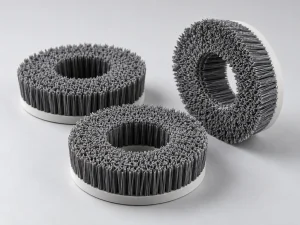
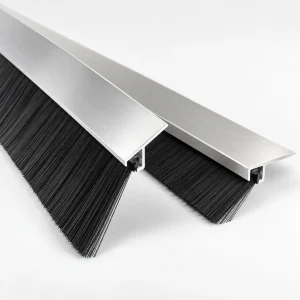
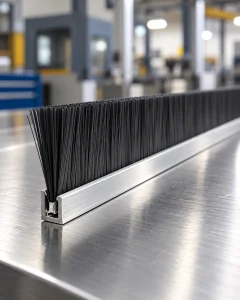
GBM has been manufacturing industrial brushes since 2008 and supplies standard and customised brush solutions for industrial applications. Its range includes cylindrical, abrasive, strip, disc and special-purpose brushes designed for different operating requirements.
For automated production lines, the starting point is simple: specify the brush around the machine and the cleaning problem, not the other way around. Our team can help identify the appropriate brush configuration based on the application, operating conditions and required cleaning performance.
Frequently Asked Questions
1. What are machine cleaning brushes used for?
They are used to remove dust, dirt, oil, rust, chips, residue and other unwanted material from machinery, conveyors and industrial surfaces.
2. Which bristle material is suitable for machine cleaning?
It depends on the application. Nylon, polypropylene, abrasive filaments, natural fibres and metal wires are used for different cleaning conditions and surface requirements.
3. Can machine cleaning brushes be customised?
Yes. Industrial brushes can be customised according to dimensions, filament material, stiffness, brush configuration and mounting requirements.
4. Are cylindrical brushes suitable for automated machines?
Yes. Cylindrical brush rollers are commonly used where continuous rotary brushing is required, including machinery and conveyor cleaning applications.
5. How do I know if my existing brush is incorrect?
Uneven wear, poor cleaning, frequent replacement, surface marking or inconsistent results can indicate that the brush specification or operating setup needs to be reviewed.
6. Can the same brush be used for wet and dry cleaning?
Not always. Moisture, chemicals, temperature and the material being removed can affect filament selection and brush life. The brush should be specified for the actual operating environment.
7. When should a machine cleaning brush be replaced?
Replacement depends on wear and cleaning performance rather than a fixed period alone. If the bristles are excessively worn, damaged or no longer provide consistent cleaning, the brush should be inspected and replaced.