
There’s a debate that runs quietly through every plant maintenance meeting. You’ve got debris, residue, and carryback on your conveyor system. Two options sit in front of you: brush-based mechanical cleaning or compressed air systems. One is familiar. One feels modern. Neither is universally right.
But in most industrial settings, conveyor belt cleaning brushes outperform air systems in ways that matter more at the end of a shift.
Here’s an honest breakdown.
How Each System Actually Works
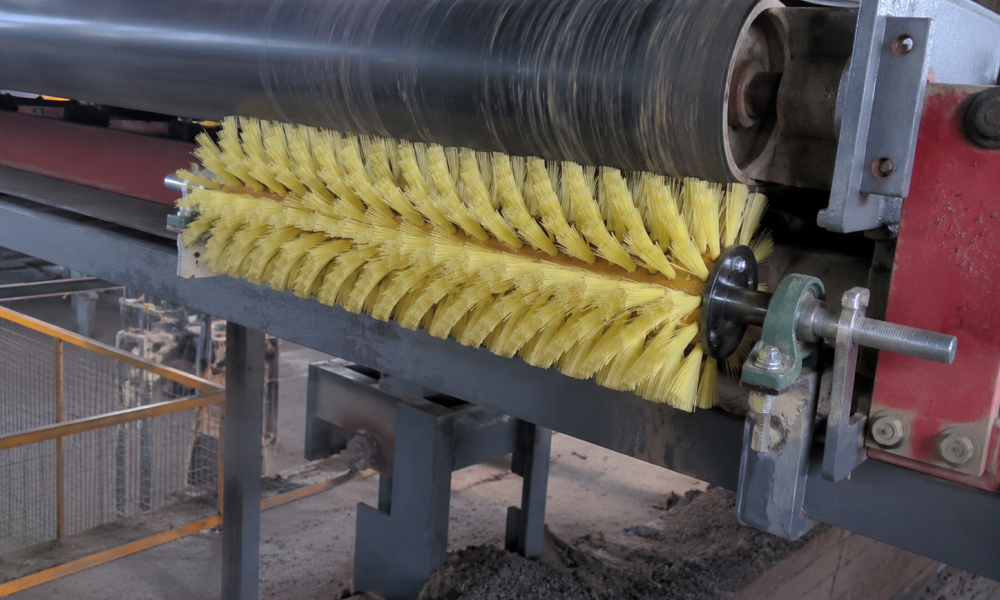
Conveyor belt cleaning brushes use rotating or stationary bristle contact to physically dislodge and sweep material off the belt surface. They work continuously, in direct contact with the belt, and don’t require a power source beyond the brush drive mechanism in most setups.
Air cleaning systems use directed compressed air blasts to dislodge debris. They’re non-contact, which sounds appealing – until you look at what that actually means operationally.
Where Air Systems Fall Short
The non-contact argument is the first thing air system vendors lead with. No bristle contact means no belt wear from the cleaning component itself. Fair point. But it trades one problem for several others.
- Moisture and sticky residue don’t blow off: Compressed air handles dry, loose particles reasonably well. Wet slurry, oily residue, adhesive carryback – air just redistributes it. You end up with the same contamination spread across a wider area.
- Noise levels spike: High-pressure air systems are loud. In facilities already managing ambient noise, this compounds the problem.
- Compressed air is expensive to run: The energy cost of maintaining adequate air pressure across a full shift adds up faster than most maintenance budgets account for.
- They need dry, filtered air supply: Any moisture in the air line introduces new contamination rather than removing existing contamination.
So if your conveyor is handling dry, light-weight material in a clean facility – air systems can work. That’s a narrow use case.
What Brush Systems Do Differently?
Conveyor belt cleaning brushes make direct, continuous contact with the belt surface. That contact is what actually lifts embedded debris, not just surface-level particles.
For industries like food processing, glass manufacturing, mining, packaging, and textile production – where carryback is wet, sticky, or abrasive – brushes are the only mechanical option that consistently delivers a clean belt pass after pass.
A few things brush systems do well that air can’t replicate:
- Physical dislodgement of compacted or moist material
- Consistent cleaning across the full belt width, including edges
- Adjustable bristle pressure to match belt material and debris type
- Passive operation in many configurations – no compressed air infrastructure needed
The maintenance profile is also simpler. A worn brush is visible. You inspect it, you replace it. A failing air nozzle is harder to diagnose – you notice it when carryback increases, not before.
The Belt Wear Question
This is where people hesitate with brush systems. Won’t constant bristle contact wear out the belt faster?
The answer depends almost entirely on bristle selection. Soft nylon bristles on standard conveyor belting cause negligible wear. The real belt wear culprit in most facilities isn’t the cleaning brush – it’s an abrasive carryback that wasn’t removed and got pulled back under the belt on the return pass.
A properly specified conveyor belt cleaning brush reduces belt wear by removing the material that causes secondary abrasion. It doesn’t create the problem – it prevents it.
When Air Systems Make Sense
It’s worth being fair here. Compressed air cleaning has legitimate applications:
- Electronics manufacturing where contact with the belt surface must be avoided
- High-temperature environments where bristle materials would degrade quickly
- Very light, dry debris where a quick air blast genuinely clears the surface
Outside these specific conditions, air systems are often chosen because they feel more modern or require less routine maintenance attention – not because they clean better.
Conclusion
For the majority of industrial conveyor applications, conveyor belt cleaning brushes deliver more reliable, cost-effective, and practically manageable cleaning than air systems. They work on wet material. They work on sticky residue. They clean consistently across belt width and don’t require a compressed air infrastructure to function.
Air systems solve a real problem in specific environments. But those environments are narrower than the sales pitch suggests.
If your conveyor is carrying anything beyond dry, light particulate – brush cleaning is the correct specification.
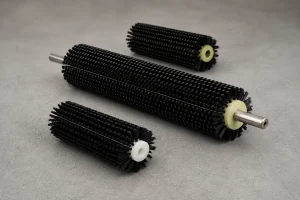
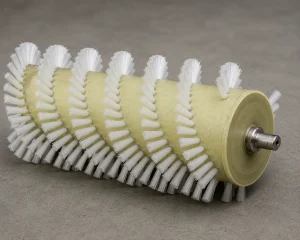
Ganesh Brush Manufacturers has been building industrial brushes for conveyor and surface cleaning applications since 2008, including custom-configured roller and strip brushes designed to match specific belt widths, speeds, and debris profiles. If standard configurations don’t fit your line, custom brush engineering is something they do regularly.
Frequently Asked Questions
1. What are conveyor belt cleaning brushes used for?
Conveyor belt cleaning brushes are designed to remove dust, debris, residue, and carryback from conveyor belts during operation. They help improve product quality, reduce material build-up, minimise maintenance, and support smoother conveyor performance across various industries.
2. Are conveyor belt cleaning brushes better than air cleaning systems?
The right choice depends on the application. Conveyor belt cleaning brushes are generally more effective for removing sticky, wet, or compacted materials, while air cleaning systems are better suited to light, dry debris in applications where non-contact cleaning is required.
3. Do conveyor belt cleaning brushes damage conveyor belts?
When properly specified with the correct bristle material and contact pressure, conveyor belt cleaning brushes are designed to clean effectively without causing excessive belt wear. Selecting the appropriate brush for the conveyor system is essential for long-term performance.
4. How often should conveyor belt cleaning brushes be inspected?
Regular inspections should be carried out as part of routine maintenance. Check for uneven bristle wear, reduced cleaning efficiency, or damage to the brush so that replacements can be made before cleaning performance declines.
5. Can conveyor belt cleaning brushes be customised?
Yes. Many manufacturers offer customised conveyor belt cleaning brushes with different bristle materials, brush diameters, lengths, densities, and mounting options to suit specific conveyor widths, operating speeds, and industrial applications.