
Most buyers approach a cylindrical brush roller purchase, Check the size, ask for the price, pick the cheapest one that fits. Six months later, they are back. Bristles worn down, shaft wobbling, or worse, the brush gouged a surface it was supposed to clean.
The brush is rarely the problem. The decision before it usually is.
This guide is for procurement managers, plant supervisors, and operations heads in Indian manufacturing who want to make this call once and not revisit it in three months.
What Is a Cylindrical Brush Roller and Why Does the Selection Matter
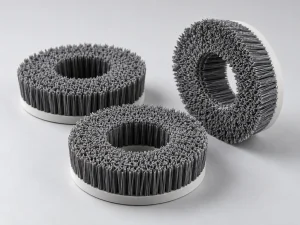
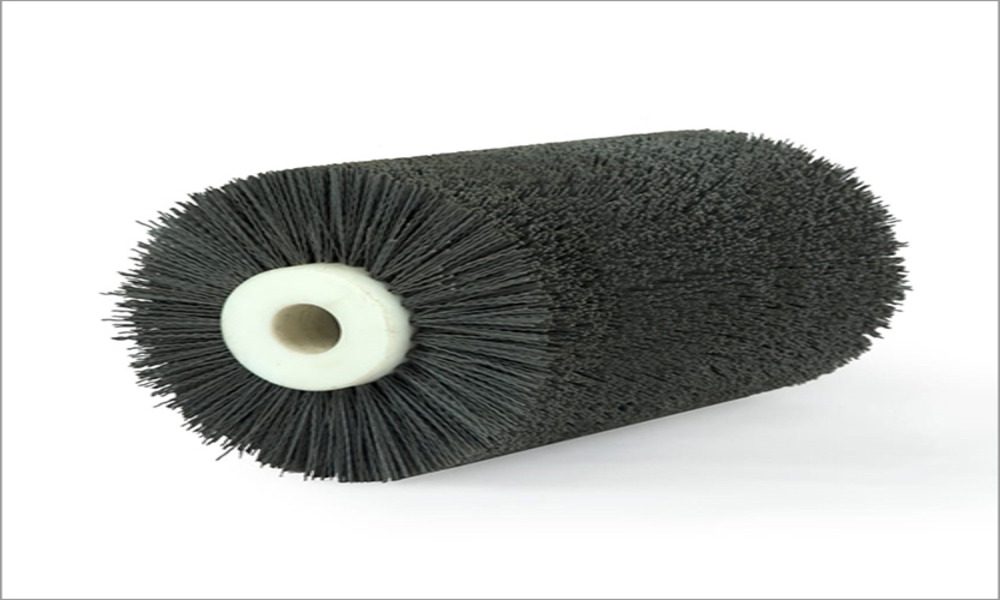
A cylindrical brush roller is an industrial brush built around a central core (solid or tubular) with bristles arranged uniformly around it. The brush rotates to clean, transport, polish, or treat surfaces in automated or semi-automated setups.
You find them on conveyor belts in food processing plants, in metal fabrication shops doing deburring work, in printing units cleaning rollers, on road sweepers, and inside washing machines used for industrial containers.
Every application puts different demands on the brush. A brush made for light dusting will not survive One shifts on a metal deburring line. A stiff-bristle brush on a delicate conveyor will cause surface damage faster than you can stop the line.
Wrong brush choice costs more than the brush price. It costs you downtime, rework, and sometimes a damaged batch.
The Core Variable: Bristle Material
This is where most buyers underinvest their attention. Bristle material determines everything from cleaning efficiency to brush lifespan to chemical compatibility.
Nylon Bristles
Nylon is the most common choice across Indian industries and for good reason. It handles water well, resists most mild chemicals, and holds its shape under consistent use.
- Works well for fruit and vegetable washing lines
- Suitable for light surface cleaning on conveyor belts
- Available in varying stiffness grades (soft, medium, hard)
- Degrades with prolonged exposure to strong acids or alkalis
If your operation involves water or food contact, start here.
Polypropylene Bristles
Polypropylene is tougher on chemicals. If your facility works with acids, dyes, or industrial solvents, polypropylene handles that exposure without the bristles breaking down quickly.
It is also cheaper than nylon, which makes it practical for applications where the brush goes through regular replacement cycles.
Brass and Steel Wire Bristles
When the job involves aggressive deburring, rust removal, or surface preparation on metal parts, wire bristles are what you need. Brass is softer and used where you want abrasion without deep scratching. Steel wire is for heavy-duty work.
These are not for surface-sensitive applications. Use them where the goal is material removal, not surface preservation.
Abrasive Nylon (Filament Embedded with Grit)
This is a more specialised option. Nylon filaments with abrasive particles (silicon carbide or aluminium oxide) mixed into the filament itself. The brush cleans and finishes in one pass.
Commonly used for:
- Edge blending on machined components
- Cross-hole deburring
- Finishing irregular profiles where a wire brush would cause damage
The trade-off is cost. Abrasive nylon brushes are priced higher than standard nylon, but they reduce secondary operations.
Natural Filaments (Tampico, Hair)
Less common now but still used in specific sectors. Tampico filament (made from agave plant fibres) is used where you want gentle cleaning with some moisture absorption. Still found in certain food-grade applications and speciality cleaning lines.
Sizing a Cylindrical Brush Roller: What the Numbers Mean
Size selection is more than measuring the mounting space. Three dimensions define the brush:
1. Outer diameter
This is the total diameter including bristles at full extension. In most conveyor and cleaning applications, the outer diameter determines contact pressure with the surface. A larger diameter at lower RPM gives different results than a smaller diameter running fast.
2. Core diameter (bore size)
The inner diameter of the shaft hole. This must match your machine shaft exactly. A loose fit causes wobble; a tight fit makes installation difficult. Custom bore sizes are available from most Indian manufacturers.
3. Face width (or working length)
How wide the brush is along its axis. For conveyor applications, this must cover the full width of material passing through. For standalone machines, it matches the machine specification.
Standard sizes in the Indian market typically run from 50mm to 300mm outer diameter, with face widths from 100mm to over 1,000mm. Beyond that, you are in custom territory.
Pricing Factors: What You Are Actually Paying For
The price range for cylindrical brush rollers in India varies widely. A standard nylon brush for a food-line application runs anywhere from Rs. 1500 to Rs. 4,000 depending on size. Abrasive brushes for industrial deburring can go from Rs. 800 to Rs. 15,000 or more. Custom configurations are priced on application and volume.
Here is what actually drives that variation:
Bristle material cost
Natural fibre and abrasive nylon cost more to source than standard polypropylene. Metal Wire brushes (SS), especially brass, carry higher raw material cost.
Core construction
A tubular core with precision-machined bore is more expensive than a wooden. For heavy-duty or high-RPM applications, the core quality is not a place to cut cost.
Bristle density and trim length
A densely filled brush uses more filament. Longer trim length gives softer contact but uses more material. Both increase unit cost.
Customisation
Standard off-the-shelf configurations cost less. The moment you specify a non-standard diameter, a specific shaft keyway, or mixed bristle zones, you are in custom pricing. Custom does not always mean expensive, but it does mean the manufacturer has to dedicate setup time.
Order volume
Batch orders of 20 or more units typically attract 10-20% better pricing in the Indian market. If your operation uses brushes at scale, negotiate on volume even if deliveries are staggered.
Common Mistakes Indian Buyers Make
Ordering by looks, not specs. A brush that looks identical to your old one may have a different bristle diameter, a softer core, or a different filament material. Always specify by technical parameters, not by physical resemblance.
Ignoring RPM compatibility. Every brush has a maximum operating speed. Running it faster leads to premature wear, bristle loss, and in some cases, safety risk. Check the max RPM rating before ordering.
Buying the cheapest available. In industrial brush procurement, the cheapest unit often means the highest total cost. A Rs. 900 brush that lasts 3 months costs more over a year than a Rs. 2,200 brush that runs for 9 months.
Not testing a sample first. For any new application or new vendor, run a sample before committing to a full order. A short trial surfaces compatibility issues before they become operational problems.
When to Go Custom
Most plants in India run equipment that does not perfectly match standard brush catalogues. Older machines, imported equipment, or modified conveyors often need non-standard configurations.
Go custom when:
- Your shaft diameter is outside standard bore sizes
- You need mixed bristle materials in different zones of the same brush
- Your working width exceeds what catalogue sizes offer
- The environment involves unusual temperatures, chemicals, or moisture levels
A good manufacturer can produce custom cylindrical brush rollers without long lead times. For most configurations, turnaround is 7 to 15 working days.
A Word on Maintenance and Replacement Cycles
Brushes are not forever, and pretending otherwise is expensive. Build a replacement cycle into your maintenance schedule based on actual usage.
- Track bristle wear visually every two weeks in high-use applications
- Replace when bristle height reduces by 30-40% from original trim length
- Rotate brushes between light and heavy-use positions to extend overall life
- Store unused brushes flat, away from heat and direct sunlight
Good maintenance does not extend brush life by a month or two. Done consistently, it can double usable life.
About Ganesh Brush Manufacturers
Ganesh Brush Manufacturers is a Pune-based industrial brush company with over three decades of manufacturing experience. They produce a wide range of industrial brushes, including cylindrical brush rollers, for sectors across India. The company offers both standard catalogue brushes and custom-engineered solutions based on application requirements.
Frequently Asked Questions
1. What is a cylindrical brush roller used for?
It is used for cleaning, polishing, deburring, and material handling in industrial processes. These brushes are common in conveyors, metal fabrication, and food processing units.
2. How do you choose the right bristle material for a brush roller?
The choice depends on the application, nylon for general cleaning, polypropylene for chemical resistance, and wire bristles for heavy-duty tasks. Each material serves a specific function.
3. What factors affect the price of a cylindrical brush roller?
Pricing depends on bristle material, core construction, size, density, and customization. Bulk orders and standard designs are usually more cost-effective.
4. When should you choose a custom cylindrical brush roller?
Custom brushes are needed when standard sizes or materials do not match your machine or application. This includes unique shaft sizes or specialized operating conditions.
5. How often should cylindrical brush rollers be replaced?
They should be replaced when bristle wear reaches around 30 to 40 percent of original length. Regular inspection helps maintain performance and avoid downtime.