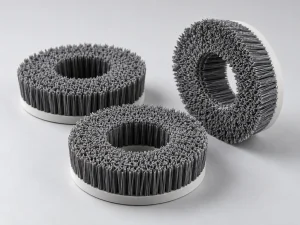

Metal parts often develop small rough edges or raised fragments known as burrs during machining, cutting, drilling, or stamping processes. These imperfections may seem minor, but they can affect product quality, safety, and overall performance. One of the most effective tools used in modern manufacturing for removing these unwanted edges is the Abrasive Brushes. These specialized brushes are designed to smooth surfaces, remove burrs, and provide a consistent finish without damaging the base material.
Deburring is an essential finishing step in industries such as automotive, aerospace, electronics, and metal fabrication. Without proper deburring, metal components may cause assembly issues, reduce product lifespan, or even create safety hazards. Abrasive brushes provide a controlled and efficient method to eliminate burrs while maintaining the precision of the metal part.
What Are Burrs in Metal Parts?
Burrs are small ridges or sharp edges that remain attached to a metal surface after machining or manufacturing operations. They commonly occur during processes like milling, drilling, laser cutting, grinding, or stamping.
There are several types of burrs, including:
- Poisson burrs formed due to material deformation
- Rollover burrs created during cutting operations
- Breakout burrs formed when a tool exits the material
- Thermal burrs produced during laser or plasma cutting
Even though burrs are small, they can create problems such as poor fitting between parts, difficulty during assembly, and risk of injury when handling components.
Why Deburring Is Important
Removing burrs is a crucial step in ensuring the functionality and quality of metal components. Deburring improves both the appearance and performance of parts.
Key reasons why deburring is important include:
- Prevents injuries from sharp edges
- Improves part assembly and fitting
- Enhances product durability
- Reduces friction and wear in moving components
- Improves overall surface finish
Manufacturers rely on abrasive tools like Abrasive Brushes to perform this task efficiently and consistently.
How Abrasive Brushes Remove Burrs
Abrasive brushes are engineered with flexible filaments embedded with abrasive grains such as silicon carbide, aluminum oxide, or ceramic abrasives. These filaments act like tiny grinding tools that gently remove burrs without aggressively cutting into the metal surface.
When the brush rotates or moves across the metal part, the abrasive particles gradually grind down the raised edges and smooth the surface. Because the filaments are flexible, they can reach into small holes, corners, threads, and complex geometries where traditional tools may not work effectively.
The controlled action of abrasive brushes ensures that only the burrs are removed while preserving the original shape and dimensions of the component.
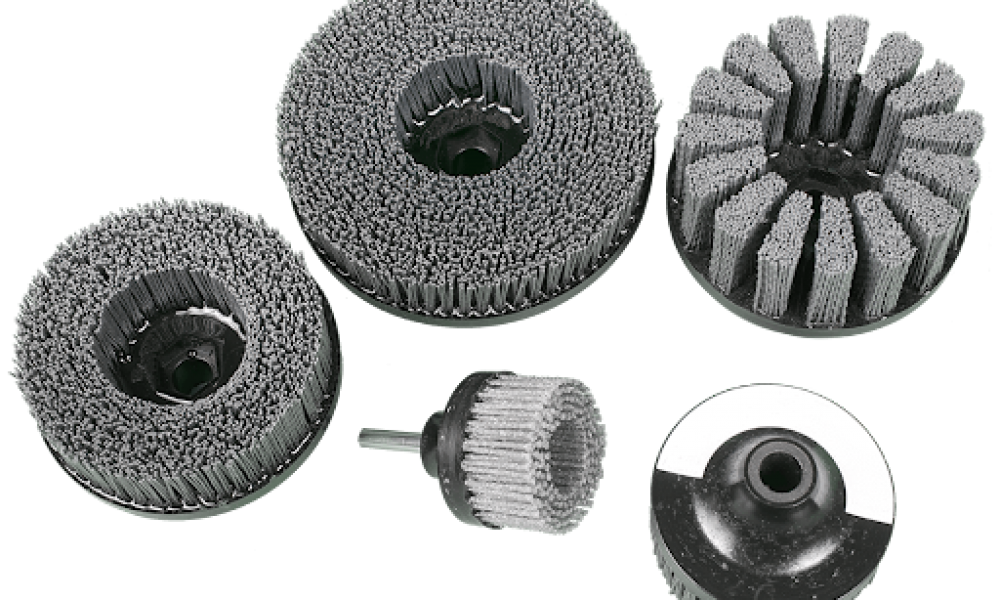
Types of Abrasive Brushes Used for Deburring
Different types of abrasive brushes are used depending on the application and the metal part design.
1. Wheel Brushes
Wheel brushes are commonly used on bench grinders or automated machines. They are ideal for flat surfaces and edge deburring.
2. Cup Brushes
Cup brushes are designed for heavy-duty surface cleaning and deburring tasks. They are often used in industrial finishing processes.
3. End Brushes
End brushes are small brushes used for precise deburring in tight spaces, holes, and internal surfaces.
4. Disc Brushes
Disc brushes are widely used in automated production lines where consistent surface finishing and burr removal are required.
Each type of brush is selected based on the complexity of the metal component and the level of finishing required.
Steps to Remove Burrs Using Abrasive Brushes
Using abrasive brushes for deburring is a straightforward process when done correctly.
Step 1: Inspect the Metal Part
Start by identifying the areas where burrs are present. This helps in selecting the appropriate brush type.
Step 2: Choose the Right Brush
Select an abrasive brush based on material type, burr size, and part geometry.
Step 3: Set the Proper Speed
Ensure the brush rotates at the recommended speed to achieve effective deburring without damaging the metal surface.
Step 4: Apply Controlled Pressure
Light and consistent pressure allows the abrasive filaments to remove burrs efficiently.
Step 5: Check the Finish
After brushing, inspect the metal part to ensure all burrs are removed and the surface finish meets the required standards.
Following these steps ensures consistent results and extends the life of both the tool and the metal component.
Advantages of Using Abrasive Brushes
Abrasive brushes are widely preferred in manufacturing because they offer several advantages compared to manual deburring tools.
Key benefits include:
- Consistent deburring results
- Ability to reach complex shapes and edges
- Reduced risk of damaging the metal surface
- Improved productivity in automated systems
- Long tool life and cost efficiency
Additionally, abrasive brushes can perform multiple finishing tasks such as cleaning, polishing, and surface preparation, making them versatile tools in metalworking industries.
Applications Across Industries
Abrasive brushes are used in a variety of industries where precision and smooth finishes are essential.
Common applications include:
- Automotive component finishing
- Aerospace metal part deburring
- Medical device manufacturing
- Electronics and precision parts cleaning
- General metal fabrication
Their flexibility and efficiency make them an essential tool for manufacturers seeking high-quality finishing results.
Conclusion
Removing burrs from metal parts is a critical step in ensuring safety, functionality, and product quality. Abrasive brushes provide an efficient and reliable solution for this process by gently removing sharp edges while preserving the integrity of the component. Their ability to reach complex geometries and deliver consistent results makes them a valuable tool in modern manufacturing.
By selecting the right abrasive brush and following proper deburring techniques, manufacturers can improve product performance, enhance surface finishes, and maintain high production standards.