
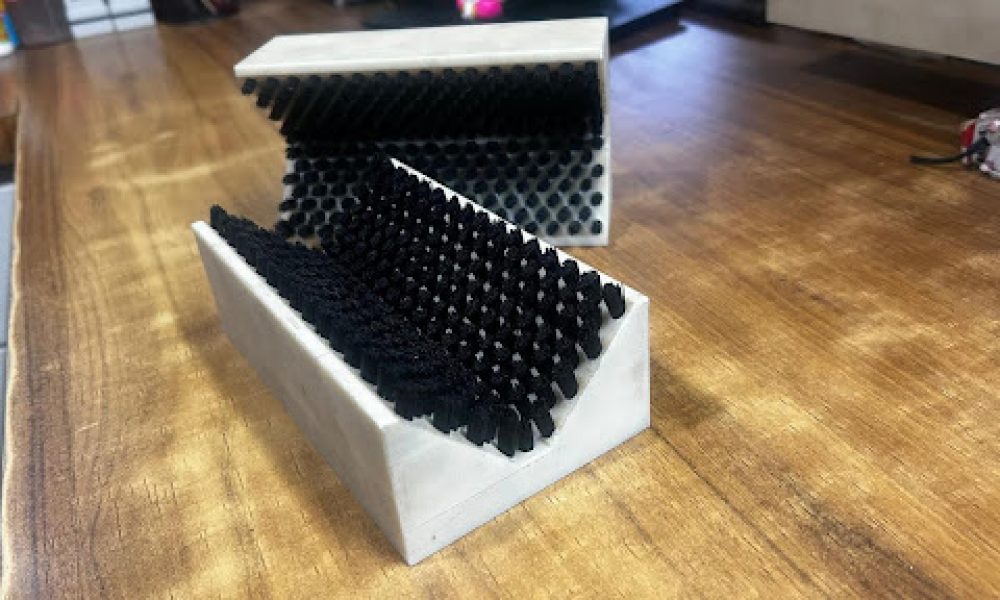
Glass processing demands precision at every stage — from cutting and edging to washing, polishing, and final inspection. Even minor surface scratches, residue marks, or embedded particles can reduce product quality and increase rejection rates. This is why working with experienced Custom Brush Manufacturers is essential for glass cleaning and polishing applications.
In glass manufacturing plants, brushes are not general-purpose tools. They are engineered components designed to clean, polish, guide, and protect delicate glass surfaces without causing abrasion or surface damage. The right custom brush solution ensures clarity, smoothness, and consistent finishing across production batches.
Why Glass Processing Requires Specialized Brush Solutions
Glass surfaces are highly sensitive to pressure, filament type, and rotational speed. Using incorrect brush materials can lead to:
- Micro-scratches on tempered or laminated glass
- Surface haze or swirl marks
- Inconsistent polishing results
- Increased rejection rates
- Frequent brush replacement
Custom Brush Manufacturers understand that glass cleaning and polishing require controlled filament flexibility, precise density, and balanced rotation. Unlike standard brushes, custom-designed solutions are tailored to specific machine configurations and glass thickness variations.
Applications in Glass Cleaning & Polishing Lines
Custom brushes are widely used in different stages of glass processing:
Pre-Washing Cleaning Stations
Before polishing, glass panels pass through washing units where brushes remove dust, cutting residue, and debris. Soft nylon or polypropylene filaments are typically used to prevent scratching.
Edge Polishing Machines
For architectural and automotive glass, edge finishing requires precision brushing to smooth sharp edges and remove fine particles.
Surface Polishing Systems
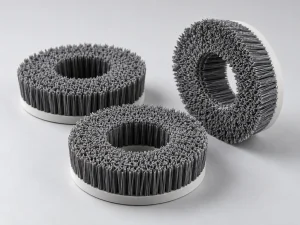
Disc or cylindrical brushes are used in combination with polishing compounds to enhance clarity and remove surface imperfections.
Post-Processing Cleaning
After tempering or coating, glass panels require gentle cleaning to remove residues without affecting coatings.
Each of these applications demands different brush densities, filament materials, and backing structures — making customization essential.
Material Selection for Glass Applications
The choice of filament material is critical in glass cleaning and polishing. Custom Brush Manufacturers typically offer:
- Soft Nylon Filaments – Flexible and abrasion-resistant
- Polypropylene Filaments – Suitable for wet environments
- Abrasive Nylon (Controlled Grit) – Used for light polishing
- Anti-Static Filaments – Reduces dust attraction
For coated or low-E glass, even slight friction can damage surface treatments. In such cases, ultra-soft filaments with controlled trim height are required to maintain surface integrity.
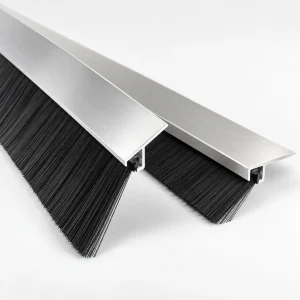
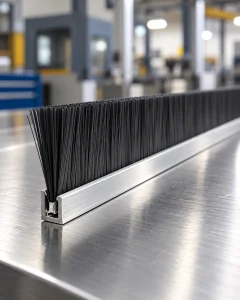
Backing materials also matter. Stainless steel or corrosion-resistant channels are commonly used in wet washing environments to prevent rust and contamination.
Importance of Customization in Glass Machinery
Glass processing machines vary widely in:
- Roller diameter
- Operating speed (RPM)
- Panel thickness
- Water pressure systems
- Polishing compound usage
Off-the-shelf brushes rarely match these specific requirements. Custom Brush Manufacturers design brushes according to machine drawings and performance expectations.
Customization may include:
- Exact diameter cylindrical brushes
- Balanced disc brushes for vibration-free rotation
- Controlled filament density for uniform pressure
- Variable trim lengths for multi-stage polishing
- Pre-drilled mounting systems for easy installation
Proper balancing is especially important in high-speed polishing systems to prevent vibration and uneven finishing.
Performance Benefits for Glass Manufacturers
Working with experienced Custom Brush Manufacturers offers measurable operational advantages:
- Improved surface clarity and finish quality
- Reduced scratch risk
- Longer brush lifespan
- Lower maintenance downtime
- Consistent polishing results across batches
- Enhanced production efficiency
In large-scale architectural or automotive glass plants, even minor improvements in surface finishing can significantly reduce rejection costs.
Challenges in Glass Cleaning & How Custom Brushes Solve Them
1. Dust & Static Buildup
Glass surfaces attract dust due to static charges. Anti-static brush filaments help neutralize this effect.
2. Water & Chemical Exposure
Washing units expose brushes to detergents and water. Chemical-resistant materials prevent degradation.
3. High-Speed Operation
Balancing and precision manufacturing prevent wobbling and uneven wear.
4. Surface Sensitivity
Soft, flexible filaments ensure gentle contact without compromising cleaning effectiveness.
Custom brush solutions address these challenges directly, improving both product quality and equipment longevity.
Supporting OEMs & Glass Processing Plants
Glass machinery OEMs often require prototype development and small-batch production before finalizing machine designs. Reliable Custom Brush Manufacturers collaborate with engineering teams to:
- Develop prototype brushes
- Test material compatibility
- Optimize filament density
- Ensure dimensional accuracy
For large processing plants, consistent repeat production ensures identical performance across multiple machines.
Final Thoughts
Glass cleaning and polishing require more than standard industrial brushes. Precision, balance, and material selection determine whether the final product achieves optical clarity or develops costly surface defects.
Partnering with experienced Custom Brush Manufacturers ensures that brushes are engineered specifically for glass processing applications. From washing and edge finishing to polishing and final cleaning, customized brush solutions play a crucial role in maintaining surface quality and production efficiency.
If you are upgrading your glass processing line or developing new machinery, consider evaluating your current brush configuration. Custom-designed solutions can significantly improve finishing quality and operational reliability.